

1-2 Years




Choosing Sensory Toys by Age
The best sensory toys give children something interesting to explore at the stage they’re in. A toy may be safe from birth but become much more fun months later, when a baby is ready to grasp, shake or investigate it for themselves. Use these age groups as a guide to play value, alongside the age guidance on each product.
0–6 months: looking, listening and reaching
In the early months, simple sensory experiences are often the most engaging. Black and white patterns give young babies something clear to look at, while gentle rattles, soft crinkles and baby-safe mirrors invite them to turn, watch and listen. As they begin to reach, lightweight toys and different textures add new ways to explore during tummy time and play together.
6–12 months: grasping, moving and discovering
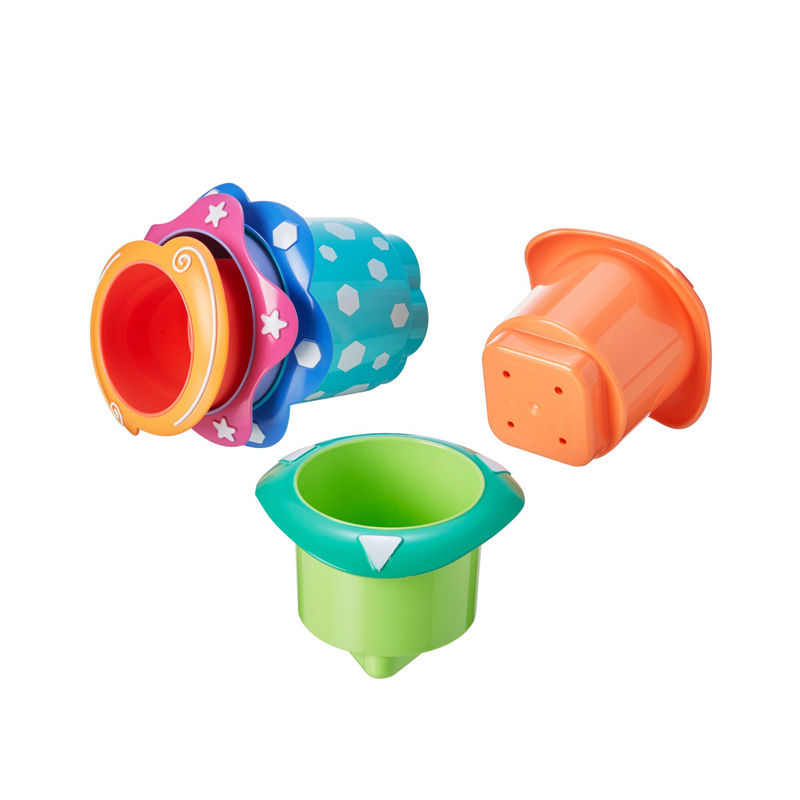
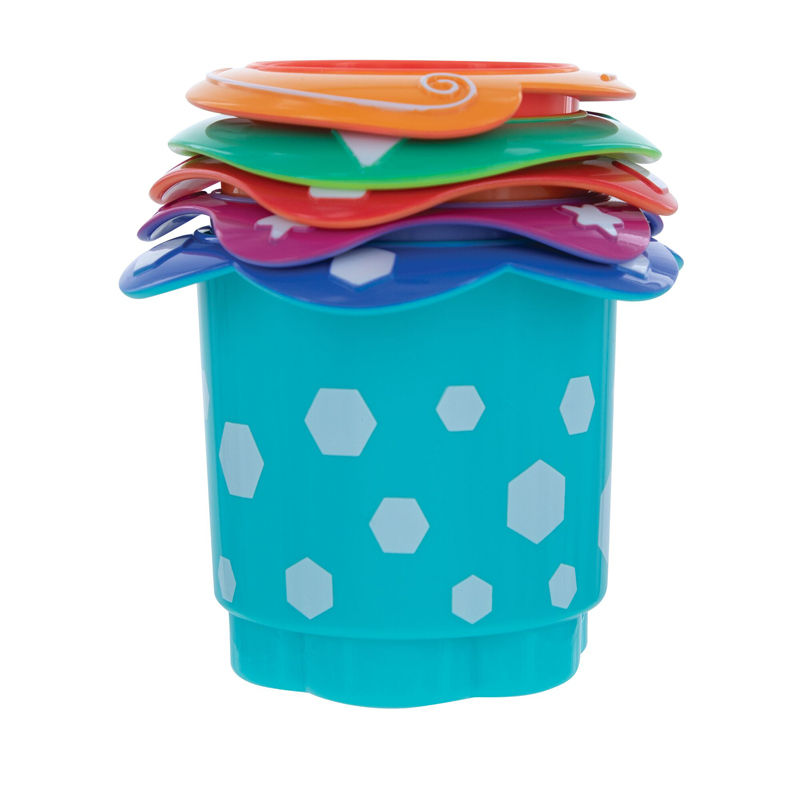
Babies are now keen to pick things up, pass them between their hands, shake them and see what happens when they drop them. Easy-grip sensory balls, textured toys, stacking cups and gentle sound toys offer plenty to investigate. Toys that roll or move can also make floor play especially appealing.
1–2 years: doing it again and again
Toddlers often love a toy they can fill, empty, stack, knock down or set in motion. Posting toys, simple puzzles, sensory bottles, push-along toys and musical instruments give them the pleasure of making something happen. Repetition is part of the fun: the same toy can lead to a new discovery each time.
2–3 years: exploring ideas through play
As pretend play grows, toys can become part of a little story. Play scarves, puppets, small-world toys and open-ended wooden toys invite children to hide, build, act things out and use their imagination. Textures, movement and sound still have a place, especially when children can choose how to explore them.
3 years and over: creating, experimenting and finding calm
Older children may enjoy more detailed sensory play, from building and imaginative scenes to light, colour and movement they can watch and investigate. Some are drawn to hands-on toys they can squeeze, stretch or move repeatedly; others prefer a quiet visual toy to return to during a busy day. Interests and sensory preferences matter just as much as age.
Every child explores at their own pace, and favourite toys often stay in play long after the age at which they first became interesting. Always check the individual product’s age recommendation and safety information before choosing a toy.